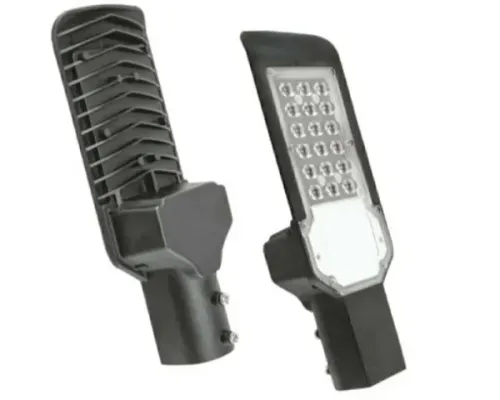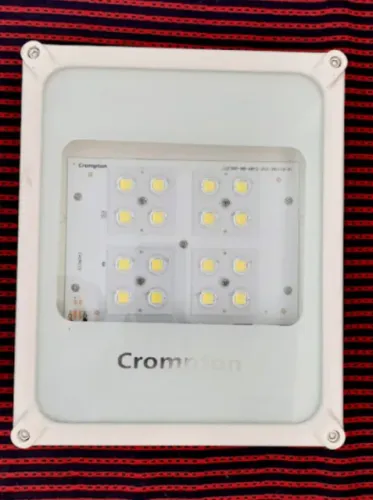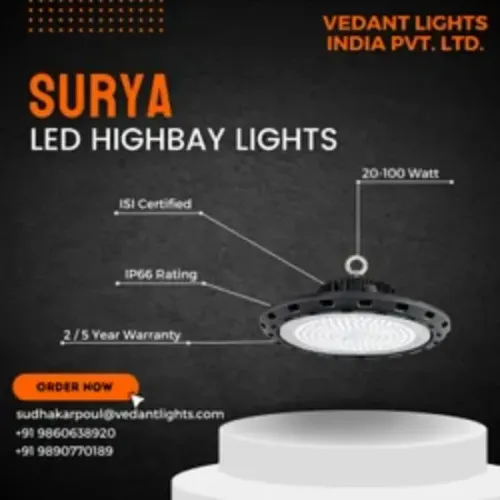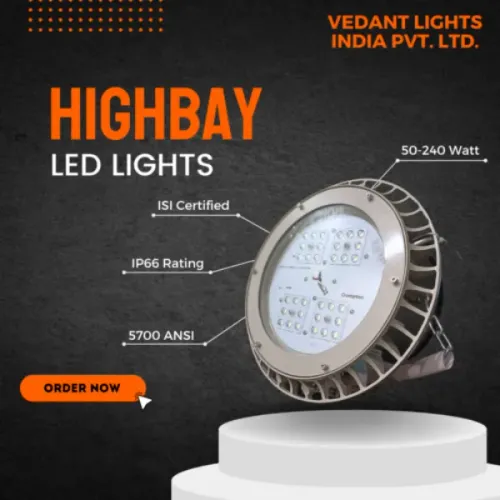
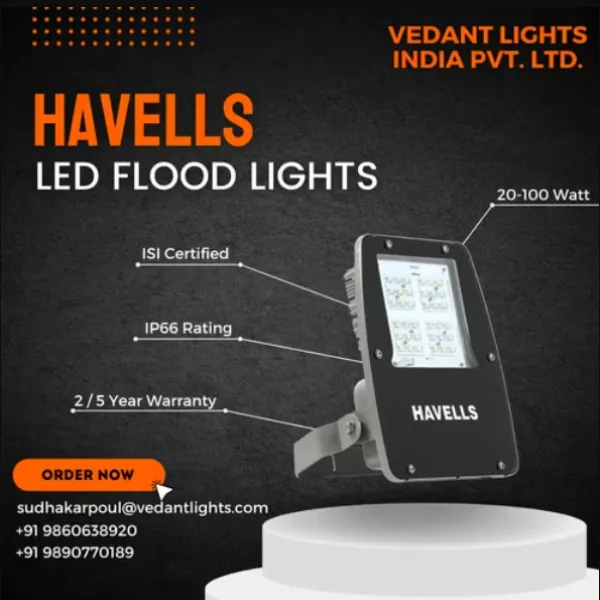
Large industrial premises need reliable illumination after sunset, especially across loading zones, yards, building perimeters, material storage areas, security points, open workspaces. An LED Flood Light is commonly considered for these spaces because it can illuminate a broad area from a suitable mounting position.
For factories, industrial facilities, construction sites, logistics premises across Pune, Maharashtra, selection should begin with the actual site requirement. Choosing a fixture only by wattage can result in excessive brightness in one section, insufficient illumination elsewhere, unnecessary energy consumption.
Start With the Area That Needs Illumination
A small entrance does not have the same lighting requirement as a large industrial yard.
Measure the approximate area before choosing fixtures. Also identify where poles, walls, structural supports, mounting points are available.
Important site factors include:
- Area dimensions
- Mounting height
- Required beam coverage
- Existing electrical infrastructure
- Vehicle movement
- Material handling activity
- Security requirements
- Nearby buildings
- Outdoor exposure
These details help determine suitable fixture capacity plus placement.
Understand Beam Angle
Beam angle affects how light spreads from the fixture.
A narrower beam concentrates illumination across a smaller target zone. A wider beam distributes illumination across a broader area.
Neither option is automatically better.
A high-mounted fixture covering a large yard may require a different beam pattern from a fixture illuminating a loading entrance. Incorrect beam selection can produce dark sections, excessive overlap, unwanted glare.
Consider Mounting Height
Mounting height has a major influence on lighting performance.
As installation height increases, the light must travel farther before reaching the working surface. The fixture specification should therefore be evaluated together with mounting height rather than separately.
Industrial buyers should identify proposed installation points before finalising fixture quantities.
A lighting layout can help estimate how many fixtures may be needed across the site.
Look Beyond Wattage
Wattage indicates electrical power consumption. It does not provide a complete picture of usable illumination.
Buyers should also review lumen output, efficacy, beam distribution, optical design, colour temperature, expected operating conditions.
Two fixtures with similar wattage can perform differently due to differences in optical design plus component quality.
This is why purchasing solely through a wattage comparison can be misleading.
Check Outdoor Protection
Outdoor industrial lighting faces dust, moisture, rain, temperature changes, pollution, continuous exposure.
The enclosure should therefore suit the environment where the fixture will operate.
Check the manufacturer's declared ingress protection rating. Review construction quality, housing material, sealing, cable entry arrangement, mounting hardware.
For exposed industrial locations around Pune, these factors can influence long-term reliability significantly.
Control Glare Carefully
More brightness does not automatically create better visibility.
Poorly positioned flood lighting can cause glare for workers, drivers, security personnel, nearby properties.
Fixture orientation should illuminate the required surface without directing excessive brightness into people's normal line of sight.
This becomes especially important near gates, loading areas, internal roads, vehicle turning zones.
Evaluate Maintenance Access
Industrial lights may be mounted several metres above ground level.
Every future inspection can therefore require ladders, elevated platforms, specialised access equipment.
A sensible lighting plan considers maintenance before installation.
Ask whether the fixture can be accessed safely, whether replacement procedures are practical, whether spare components can be sourced when required.
Consider Operating Hours
A light operating for two hours each evening has a different usage profile from one running throughout the night.
Long operating hours make efficiency especially important.
Factories with multiple outdoor fixtures can assess total connected lighting load rather than considering individual fixture consumption alone. This provides a clearer understanding of potential electricity usage.
Controls such as timers, suitable switching zones, automated operation may also reduce unnecessary runtime.
Plan Before Purchasing
The right LED Flood Light should match the physical environment, mounting arrangement, required coverage, operating schedule, maintenance conditions.
Industrial buyers in Pune should document these requirements before requesting quotations. Providing suppliers with accurate mounting heights, area dimensions, operating conditions helps them recommend a more appropriate configuration.
A technically suitable lighting system begins with understanding the site. Once coverage, mounting, environmental exposure, glare control, maintenance access have been considered, fixture selection becomes much more practical.
Keywords