
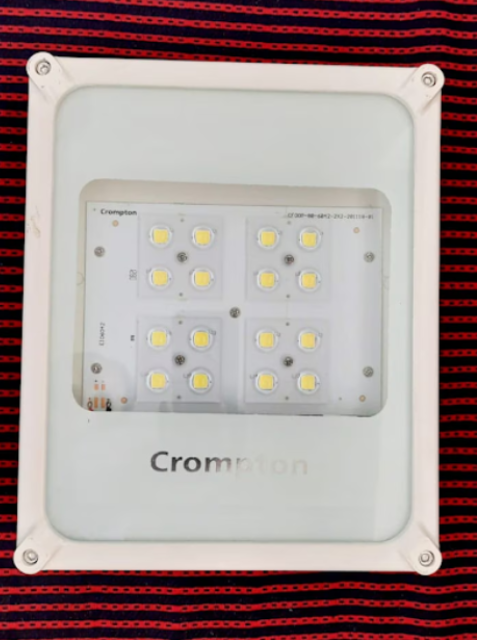
Poor Factory Lighting is not always obvious during daytime inspections. Natural daylight may hide weak sections that become noticeable during evening shifts. Machinery can create shadows. New equipment can block existing fixtures. Production layouts can change while the original lighting remains untouched.
Factories across Pune, Maharashtra, can address these issues by reviewing lighting according to actual work zones.
Map the Dark Areas First
Before purchasing additional fixtures, identify where visibility problems occur.
Walk through the factory during normal operating conditions.
Look closely at:
- Machine work areas
- Operator positions
- Inspection points
- Material movement routes
- Stairways
- Internal passages
- Storage corners
- Control panels
- Maintenance zones
Mark areas where workers report difficulty seeing tasks clearly.
This creates a more useful starting point than simply adding fixtures across the entire building.
Check Whether Machinery Blocks Existing Light
Industrial layouts evolve.
A new machine may be taller than the equipment it replaced. Storage racks may have been added. Partitions may have been constructed.
These changes can interrupt light distribution from existing fixtures.
Before increasing wattage, determine whether relocation could solve the problem more effectively.
Review Fixture Height
High-mounted fixtures can cover large areas, but mounting height must suit the fixture's optical performance.
If a fixture is installed too high for its output plus beam pattern, useful illumination at working level may be inadequate.
Conversely, an unsuitable low mounting position can create bright spots plus glare.
Height should therefore be considered as part of the complete lighting layout.
Pay Attention to Vertical Surfaces
Factory tasks do not always happen on horizontal floors.
Operators may need to read vertical control panels, inspect machine components, identify rack labels.
A lighting plan focused only on floor brightness can miss these visual requirements.
Observe where employees actually look while performing tasks.
Separate General Lighting From Task Lighting
Some activities need significantly more visual detail than the surrounding production area.
Inspection, precision assembly, measurement, detailed maintenance can benefit from dedicated task lighting.
Increasing illumination across an entire factory simply to support one detailed workstation can waste electricity.
A combination of suitable general illumination plus focused task lighting may be more practical.
Consider Surface Reflectance
Factory interiors influence how light behaves.
Light-coloured ceilings plus walls can help distribute reflected light. Dark surfaces absorb more light.
Dust accumulation can also reduce reflectance over time.
During refurbishment, surface condition should therefore be considered alongside fixture selection.
Cleanliness Can Affect Performance
Industrial dust can accumulate on fixtures.
Even a correctly designed installation may gradually provide poorer illumination if lenses plus reflectors become heavily contaminated.
Factories should include lighting equipment in suitable maintenance schedules.
The cleaning method should follow product requirements plus site safety procedures.
Evaluate Changes Before Adding More Fixtures
When employees report insufficient lighting, adding more fixtures is an understandable response.
It may not be the most efficient one.
First investigate:
- Failed fixtures
- Dirty optical surfaces
- Changed machinery layout
- Incorrect fixture orientation
- Poor switching practices
- Obstructions
- Unsuitable beam distribution
Correcting these issues can sometimes improve visibility without significantly increasing connected load.
Reassess After Production Changes
Lighting should be reviewed whenever the factory layout changes substantially.
New machines, mezzanine floors, storage structures, partitions can alter illumination patterns.
For Pune manufacturing facilities expanding production capacity, including lighting in layout-change planning can prevent new dark zones from appearing after commissioning.
Effective Factory Lighting depends on understanding where people work, what they need to see, how equipment affects distribution.
A practical assessment focuses first on tasks plus obstacles. Fixture selection follows only after these conditions are understood. This approach can create more consistent illumination without relying on excessive brightness throughout the entire factory.
Keywords