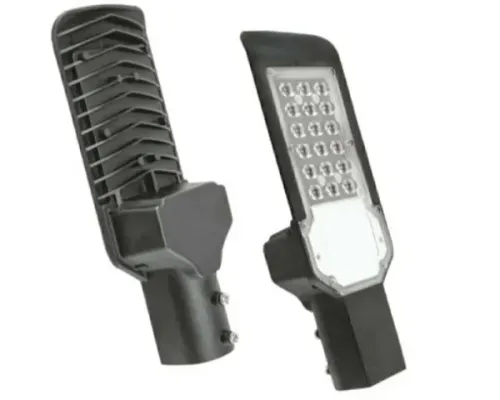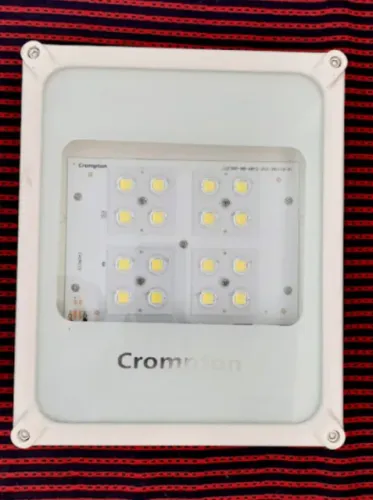

Outdoor roads need lighting that supports visibility without creating excessive glare, uneven bright patches, unnecessary electricity consumption. An LED Street Light should therefore be selected as part of a complete road illumination plan rather than treated as an isolated electrical fixture.
This matters across industrial estates, institutional campuses, residential developments, private roads, infrastructure projects throughout Pune, Maharashtra.
Road Width Changes the Requirement
Lighting requirements vary significantly according to road dimensions.
A narrow internal lane can need a very different arrangement from a wide industrial approach road. Before fixture selection, measure carriageway width, identify pedestrian sections, study intersections, note nearby structures.
Road geometry influences fixture output, pole spacing, mounting height, optical distribution.
Pole Height Matters
Street lighting performance depends heavily on pole height.
A fixture mounted too low can create concentrated bright areas with darker sections between poles. Higher mounting can improve coverage in certain applications, although the fixture must provide suitable distribution at that height.
Pole height should therefore be evaluated together with road width plus required illumination.
Pole Spacing Requires Planning
Simply installing fixtures at equal distances without considering lighting distribution can create uneven results.
Proper spacing aims to maintain useful visibility between consecutive poles.
Excessive spacing may produce dark zones. Very close spacing can increase installation costs plus electricity consumption without providing proportionate benefits.
For new projects, planning pole positions before electrical work begins can prevent expensive changes later.
Optical Distribution Is Important
Street lighting requires controlled distribution along the road surface.
The objective is not merely to create a bright spot directly below each pole. Useful illumination should extend across the intended roadway.
Optics influence how efficiently light reaches the required surface.
Industrial campuses may also need careful control near property boundaries to reduce unwanted spill into neighbouring premises.
Colour Temperature Affects Visual Character
Colour temperature influences how the illuminated environment appears at night.
The appropriate choice depends on project requirements, visual comfort, application standards, surrounding conditions.
Rather than automatically choosing the highest available colour temperature, project teams should consider how the road will actually be used.
Consider Glare for Drivers
Glare can reduce visual comfort despite high illumination levels.
Fixture orientation, mounting height, optics, output all influence glare.
This is particularly relevant near:
- Entry gates
- Sharp turns
- Security cabins
- Pedestrian crossings
- Loading entrances
- Junctions
- Parking exits
Lighting should help users recognise obstacles plus movement without creating distracting brightness.
Account for Weather Exposure
Road fixtures operate outdoors throughout the year.
Pune experiences seasonal rain, dust, heat, changing environmental conditions. Fixtures therefore need suitable construction for continuous exterior use.
Review enclosure protection, housing quality, sealing, mounting hardware, electrical protection requirements before procurement.
The suitability of a product should be judged against the installation environment rather than marketing descriptions alone.
Maintenance Should Be Practical
Street lights are commonly installed at heights requiring dedicated maintenance access.
Project planning should consider how future inspections will be performed.
Important questions include:
- Can maintenance teams access each pole safely?
- Are replacement components available?
- Is the fixture construction serviceable?
- Are electrical connections protected?
- Can failed units be identified easily?
Maintenance planning can reduce disruption after commissioning.
Lighting Controls Can Reduce Waste
Not every private road requires identical illumination throughout the entire night.
Depending on site use, projects can evaluate switching schedules, photocell-based operation, suitable automation, zoning.
Industrial facilities may separate main access roads from low-traffic internal sections so operation better matches actual activity.
Any control strategy should still maintain required safety illumination.
Treat Road Lighting as a System
Choosing an LED Street Light involves more than selecting wattage from a catalogue.
Road width, pole height, spacing, optical distribution, glare, environmental exposure, electrical design, maintenance requirements all influence the final result.
For projects across Pune plus wider Maharashtra, early coordination between project engineers, electrical teams, lighting professionals can help prevent inconsistent illumination after installation.
A road lighting project becomes more effective when fixtures, poles, electrical infrastructure, actual traffic conditions are planned as one complete system.
Keywords