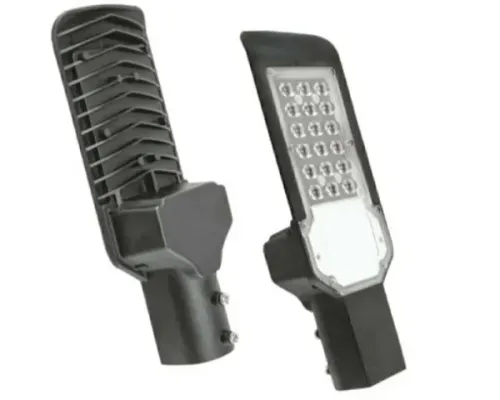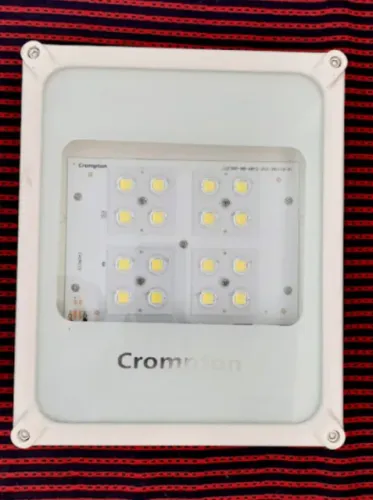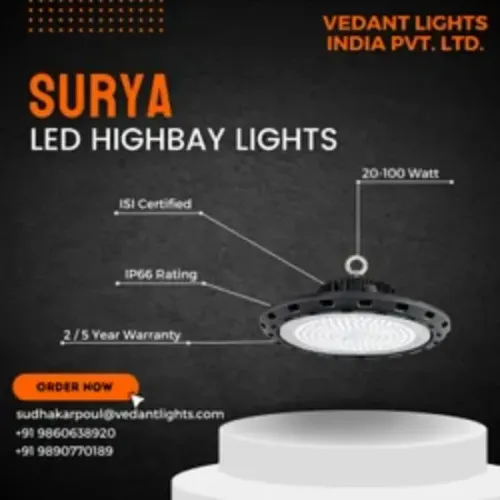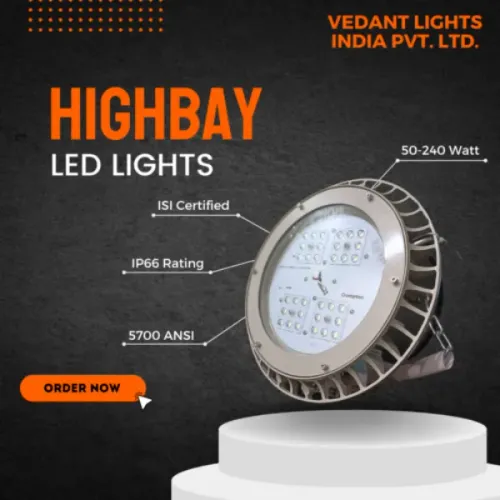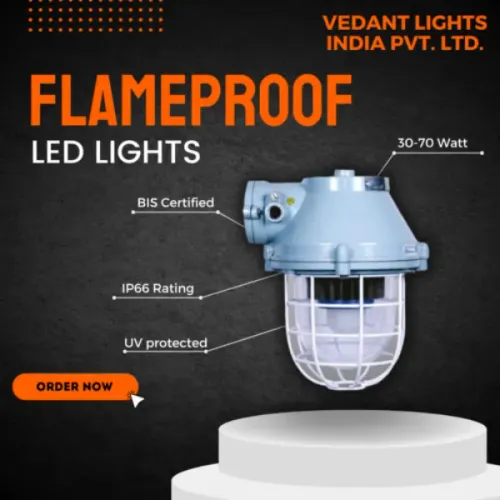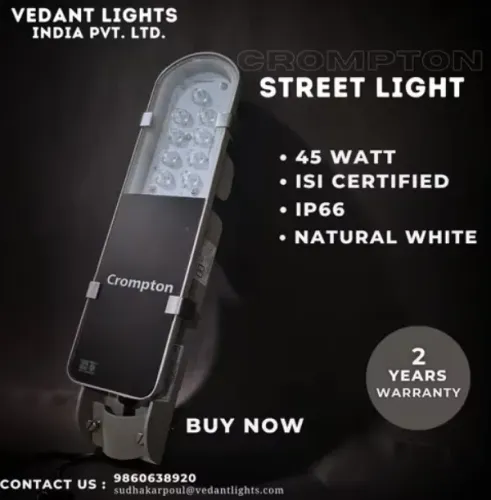
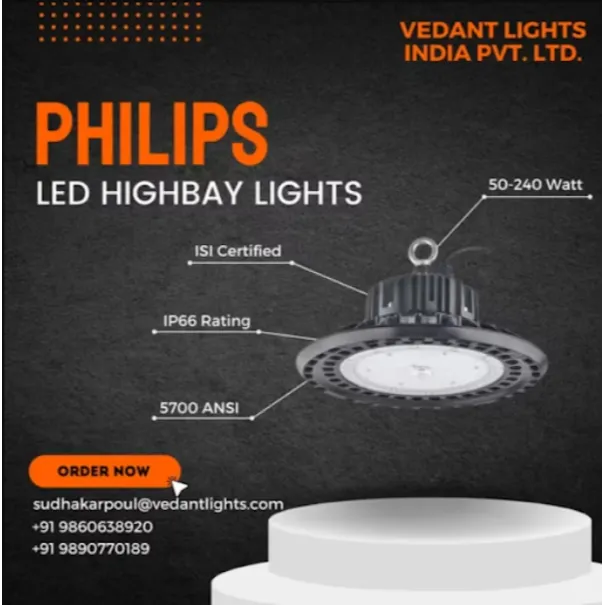
A factory rarely has one uniform lighting requirement. Production lines, inspection stations, storage sections, aisles, utility rooms, loading points can each demand different illumination characteristics. Industrial LED Lights should therefore be planned according to the activity taking place in each zone.
This approach is especially useful for manufacturing facilities across Pune, Maharashtra, where industrial buildings can contain multiple operations under a single roof.
Production Areas Need Task Visibility
Production floors often contain machinery, operators, moving materials, work instructions, control panels.
Lighting should support safe movement plus clear task visibility.
The appropriate illumination level depends on the nature of the work. Large-component manufacturing may require different lighting from precision assembly.
Uniformity also matters because extreme differences between bright zones plus dark zones can make the workspace uncomfortable.
Inspection Areas Need Greater Visual Clarity
Quality inspection tasks may involve identifying surface defects, checking dimensions, examining finishes, reading markings.
These activities can require more focused lighting than general circulation spaces.
Colour characteristics can also become important where workers need to distinguish product finishes accurately.
Instead of increasing brightness across the entire factory, additional task lighting can sometimes provide a more practical solution for inspection stations.
Storage Sections Have Different Priorities
Storage areas typically need clear aisle visibility, rack identification, safe material movement.
Tall racks can block poorly positioned fixtures.
The lighting layout should therefore consider rack height, aisle width, material handling routes, forklift movement.
Placing fixtures without considering the final rack arrangement can produce shadows precisely where visibility is needed.
Loading Bays Need Flexible Coverage
Loading areas experience vehicle movement, material transfer, temporary obstructions.
Lighting should help workers see dock edges, vehicle positions, goods, surrounding activity.
Fixtures may need suitable protection where dust, moisture, outdoor exposure are present.
The transition between indoor lighting plus exterior darkness should also be considered for visual comfort.
High Ceilings Change Fixture Selection
Industrial sheds frequently have substantial ceiling heights.
As mounting height increases, fixture optics plus lumen output become increasingly important.
Simply choosing a higher wattage does not guarantee effective illumination at floor level.
A lighting calculation can estimate expected performance before installation.
Heat Plus Dust Influence Product Suitability
Factories can contain demanding operating conditions.
Dust from production processes may accumulate on fixtures. Heat can affect component performance. Moisture can enter unsuitable enclosures. Vibration may influence mounting security.
Product selection should therefore reflect the actual environment.
Industrial purchasers should share environmental information with the manufacturer before finalising specifications.
Maintenance Access Has Cost Implications
A failed fixture installed high above production machinery can be difficult to access.
Maintenance may require production stoppage, elevated access equipment, safety permits.
This means fixture reliability plus installation planning have operational consequences beyond the original purchase cost.
Consider future access routes during the lighting design stage.
Controls Can Match Lighting to Activity
Factories do not always use every area continuously.
Storage sections, utility spaces, selected production zones may have periods of low occupancy.
Suitable lighting controls can help align operation with actual use.
Facilities can also divide lighting into practical switching zones rather than controlling an entire shed through a single circuit.
Avoid One-Fixture-Fits-All Planning
Using identical fixtures everywhere may simplify purchasing, but it can compromise lighting performance.
A production workstation, warehouse aisle, inspection desk, loading bay each has different visual requirements.
Better planning starts by mapping activities throughout the building.
For manufacturing facilities across Pune, Industrial LED Lights can then be specified according to mounting height, task type, environmental exposure, required coverage, maintenance access.
A zone-based approach creates a clearer path toward useful industrial illumination without relying on excessive wattage throughout the entire facility.
Keywords