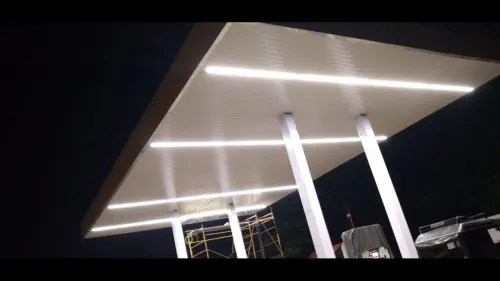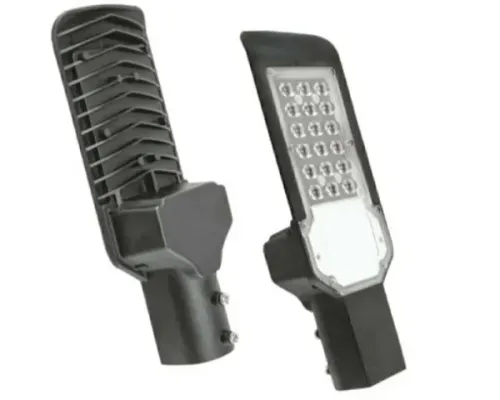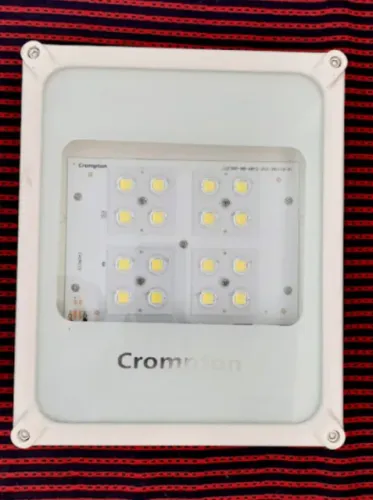
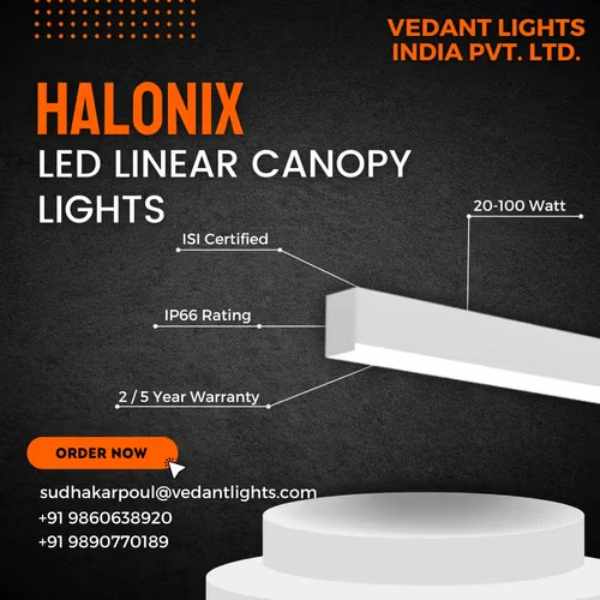
Covered outdoor areas create a distinctive lighting challenge. The fixture may be protected by a roof yet still experience dust, moisture, insects, vehicle emissions, temperature changes. An LED Canopy Light is commonly used where broad downward illumination is required beneath a canopy structure.
In Pune, Maharashtra, such fixtures may be considered for fuel station canopies, covered loading points, drive-through areas, building entrances, selected industrial structures.
Understand the Canopy Height
Mounting height influences the amount of useful illumination reaching the ground.
A low canopy can require a different output from a tall industrial structure.
Measure the distance between the proposed mounting surface plus the working plane below.
Also note whether the ceiling contains beams, signage, pipes, ventilation equipment that could affect light distribution.
Check Fixture Spacing
Canopy lighting usually relies on multiple fixtures positioned across a covered area.
Poor spacing can create bright circles beneath each fixture with darker gaps between them.
The objective should be suitable coverage across the usable area.
Before finalising quantities, consider canopy dimensions plus fixture distribution.
Consider Vehicle Movement
Many canopy applications involve vehicles.
Drivers need to identify structural columns, kerbs, people, equipment, lane markings.
Fixture placement should therefore support visibility without producing uncomfortable glare.
At fuel stations, lighting also contributes to the visual clarity of dispensing areas plus customer movement zones.
Look at Environmental Exposure
A canopy does not create a completely sealed indoor environment.
Wind-driven rain, dust, humidity, pollution can reach the fixtures.
Product construction should therefore suit the actual exposure.
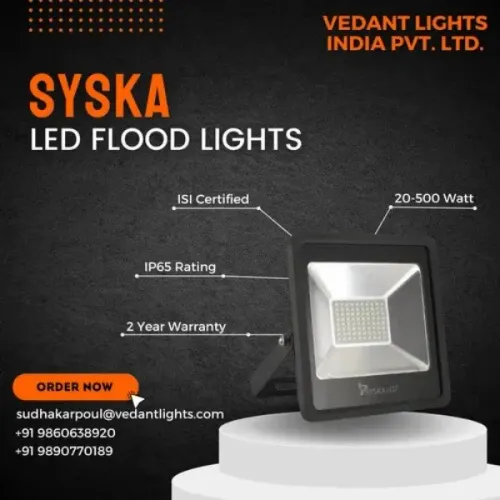
Review the declared ingress protection rating, housing construction, sealing, mounting arrangement.
Where the environment has additional hazards, specialised equipment requirements may apply.
Think About Heat Management
LED performance depends partly on thermal management.
A fixture installed in a hot canopy space needs to dissipate heat effectively within its specified operating conditions.
Buyers should review manufacturer data rather than assuming every product can tolerate the same ambient environment.
Colour Quality Can Matter
Some canopy applications require users to recognise vehicles, products, markings clearly.
Colour characteristics can therefore influence the visual result.
The most suitable specification depends on the application plus project requirements.
Rather than selecting colour temperature purely by preference, consider how the illuminated area will be used.
Maintenance Access Should Be Simple
Canopy fixtures may be easier to reach than very high industrial lights, but maintenance can still disrupt active vehicle areas.
Product placement should permit safe access without creating unnecessary operational interruptions.
Facility managers should also know how units are serviced, how replacements are obtained, what warranty procedure applies.
Avoid Selecting Only Through Wattage
Wattage is only one specification.
Two canopy fixtures using similar electrical power may distribute light differently.
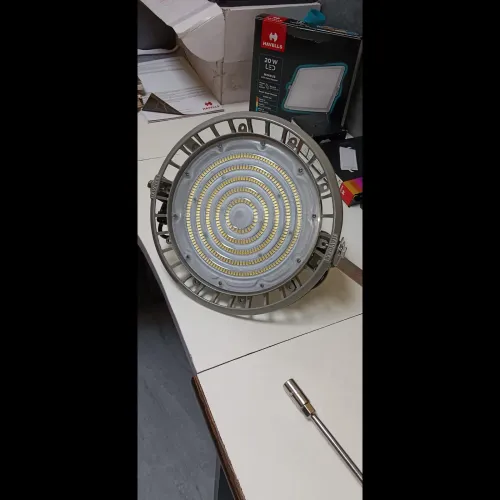
Compare lumen output, optics, physical construction, protection level, thermal design, electrical characteristics, project suitability.
A lighting calculation can be valuable for larger canopy structures.
Match the Fixture to the Site
An LED Canopy Light should be chosen according to canopy dimensions, mounting height, fixture spacing, vehicle movement, environmental exposure, maintenance conditions.
For projects in Pune, providing accurate site dimensions to the manufacturer can make product recommendations more relevant.
Vedant Lights India Pvt. Ltd. can be evaluated for canopy applications through technical datasheets, product suitability, project support, supply capability.
The most effective canopy lighting plan does not begin with a wattage figure. It begins with understanding the structure below which the fixture will operate, the people using that space, the visibility required throughout operating hours.
Keywords