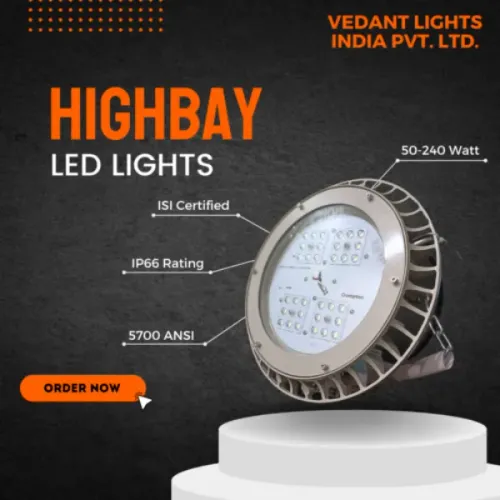
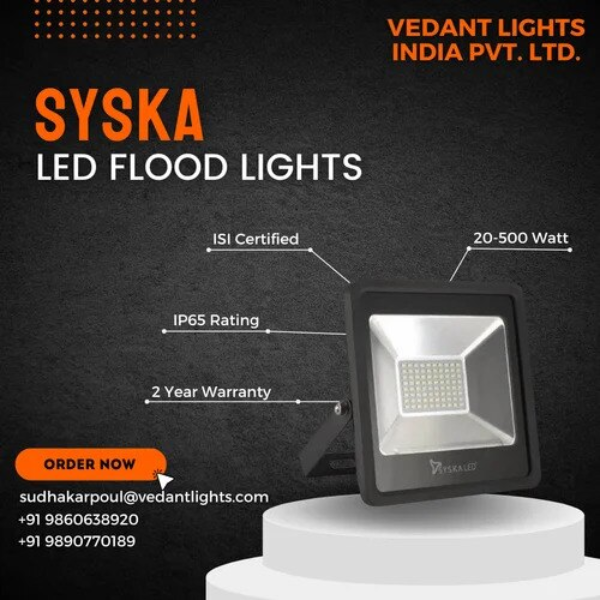
Industrial lighting procurement can affect electricity use, workplace visibility, maintenance access, project schedules for years after installation. Selecting an LED Lighting Company Pune therefore requires more than browsing a product catalogue.
Factories, warehouses, builders, EPC contractors, facility managers across Pune can evaluate potential providers through a combination of technical capability, product documentation, project understanding, supply support.
Look for Relevant Product Capability
Industrial projects may involve different fixture types across different areas.
Before requesting a quotation, check whether the company understands the intended application.
A supplier experienced only in decorative lighting may not be suitable for a high-bay factory project.
Similarly, specialised industrial environments may require products with specific technical characteristics.
Share Site Information
A useful supplier should ask questions.
Expect requests for details such as:
- Mounting height
- Building dimensions
- Existing fixture layout
- Working hours
- Environmental conditions
- Electrical supply
- Required illumination
- Installation constraints
If a quotation is produced without basic project information, ask how the proposed quantity was determined.
Review Technical Datasheets
A professional procurement process should include technical documentation.
Check relevant product specifications rather than relying only on sales descriptions.
Important details can include power rating, lumen output, optical characteristics, colour temperature, enclosure rating, operating conditions, dimensions, mounting details.
Project-specific requirements may require additional information.
Ask About Lighting Layout Support
For larger industrial spaces, fixture quantity should ideally be based on more than rough estimation.
Ask whether the provider can support lighting calculations where required.
A layout can help the project team understand proposed fixture positions plus expected coverage before installation.
It also creates a clearer basis for technical discussion.
Understand Manufacturing Plus Supply Capacity
Large projects can involve phased quantities.
Ask whether the supplier can meet the required schedule.
Consider production lead time, dispatch planning, packaging, replacement availability.
For EPC contractors, predictable supply can be as important as product pricing because lighting delays can affect handover schedules.
Examine Quality Processes
Buyers can ask how products are tested before dispatch.
The appropriate questions depend on project type.
Technical evaluation may include component selection, electrical testing, thermal considerations, enclosure quality, final inspection procedures.
Where specific certifications are required, verify documentation for the exact proposed product.
Clarify Warranty Support
Warranty terms should be understood before purchase.
Ask about coverage period, claim process, exclusions, replacement procedure, documentation required.
For industrial installations, support accessibility can matter because fixture failures at height may involve substantial maintenance effort.
Assess Communication Quality
Technical projects require clear communication between purchasing teams, consultants, electrical contractors, manufacturers.
A supplier should be able to respond to specification questions clearly.
Unclear model changes, undocumented substitutions, incomplete datasheets can create problems during approvals.
Maintain written records of agreed specifications.
Consider Local Project Coordination
Working with a Pune-based supplier can be useful when a project requires site discussions, sample coordination, technical meetings, phased supply.
Local presence alone should not determine selection, but it can form part of the practical evaluation.
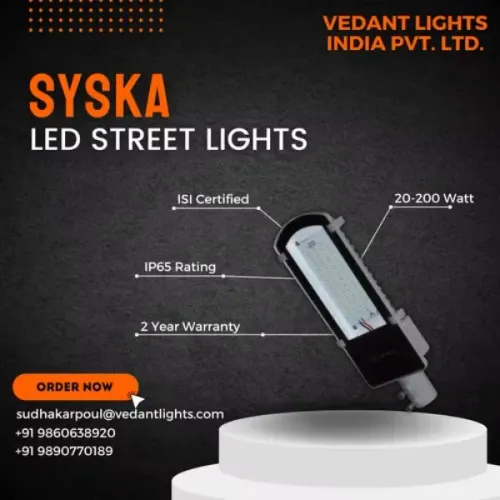
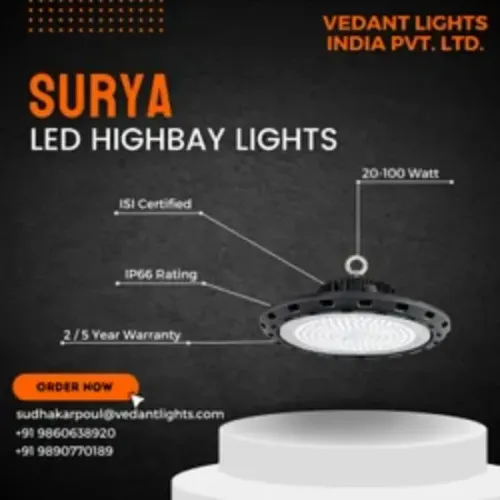
Vedant Lights India Pvt. Ltd. operates in the Pune lighting market. Industrial buyers assessing the company can review its suitability using the same technical criteria applied to competing manufacturers plus suppliers.
Choosing an LED Lighting Company Pune should ultimately be a documented procurement decision.
Start with the project requirement. Compare technical specifications, application understanding, supply capability, documentation, warranty procedures, communication quality. This provides a stronger basis for supplier selection than relying on price plus product appearance alone.
Keywords